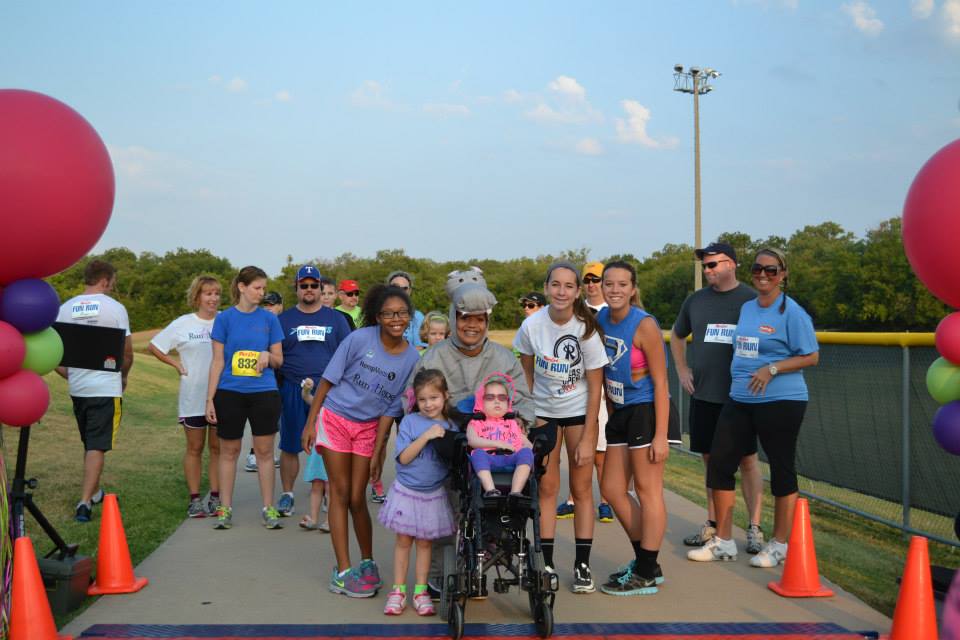
Living with Rare Diseases
Shared Challenges Across Rare Diseases
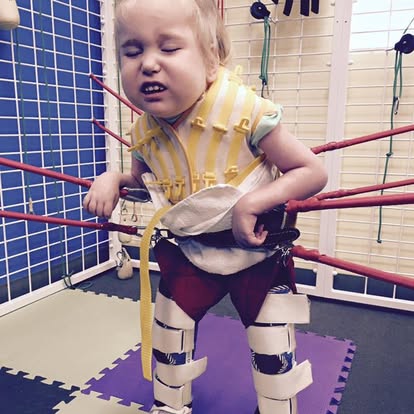
Harper’s journey with CDKL5 offers a powerful lens into the shared realities of rare disease caregiving. For Harper, this meant a life of immense challenges and extraordinary strength. Her seizures began in infancy; she couldn’t walk or talk, and severe digestive issues eventually took away her ability to eat by mouth.
Like so many children with profound medical complexities, her safety and comfort required an entire ecosystem of support. She relied on breathing machines, an eye-gaze communication device, and specialized equipment like a transport lift and safety bed. Her needs quickly surpassed what we could provide alone, requiring full-time home health nurses. For our family, and for so many others in the rare disease community, every single day revolved around a relentless cycle of medications, therapies, and constant adaptation.
What is CDKL5?
CDKL5 Deficiency Disorder (CDD) is a rare genetic condition caused by a mutation in the CDKL5 gene, which is essential for brain development. It leads to early-onset seizures, developmental delays, and challenges with movement, vision, communication, and gastrointestinal issues. Like many of the 7,000 known rare diseases, there is currently no known cure, though ongoing research continues to bring hope for better treatments and quality of life.
Families living with rare or severe neurological disorders face struggles few can imagine. Sleep deprivation and exhaustion become constant companions—not the “I need an extra cup of coffee” kind, but the kind where you’ve forgotten what REM sleep feels like. Even simple things —grocery trips, church, family gatherings require strategic planning that would put a military operation to shame. Spontaneity? That’s a distant memory. These days, it looks like deciding which drive through to hit on the way home from therapy and calling it an adventure.
Beneath the exhaustion and endless logistics lies a deeper ache—and a deeper love. There’s grief for the life you imagined, guilt for asking (or not asking) for help, and the quiet confusion of trying to figure out where you still fit in. There’s also the struggle with faith—but just as strong, the need for it. Medicine runs out of answers and hope feels thin. Over time, love starts to win more days than it loses. Families learn to find laughter in the chaos, grace in the grind, and beauty in simply making it through. These aren’t stories of pity they’re stories of grit, grace, and love that refuses to quit.
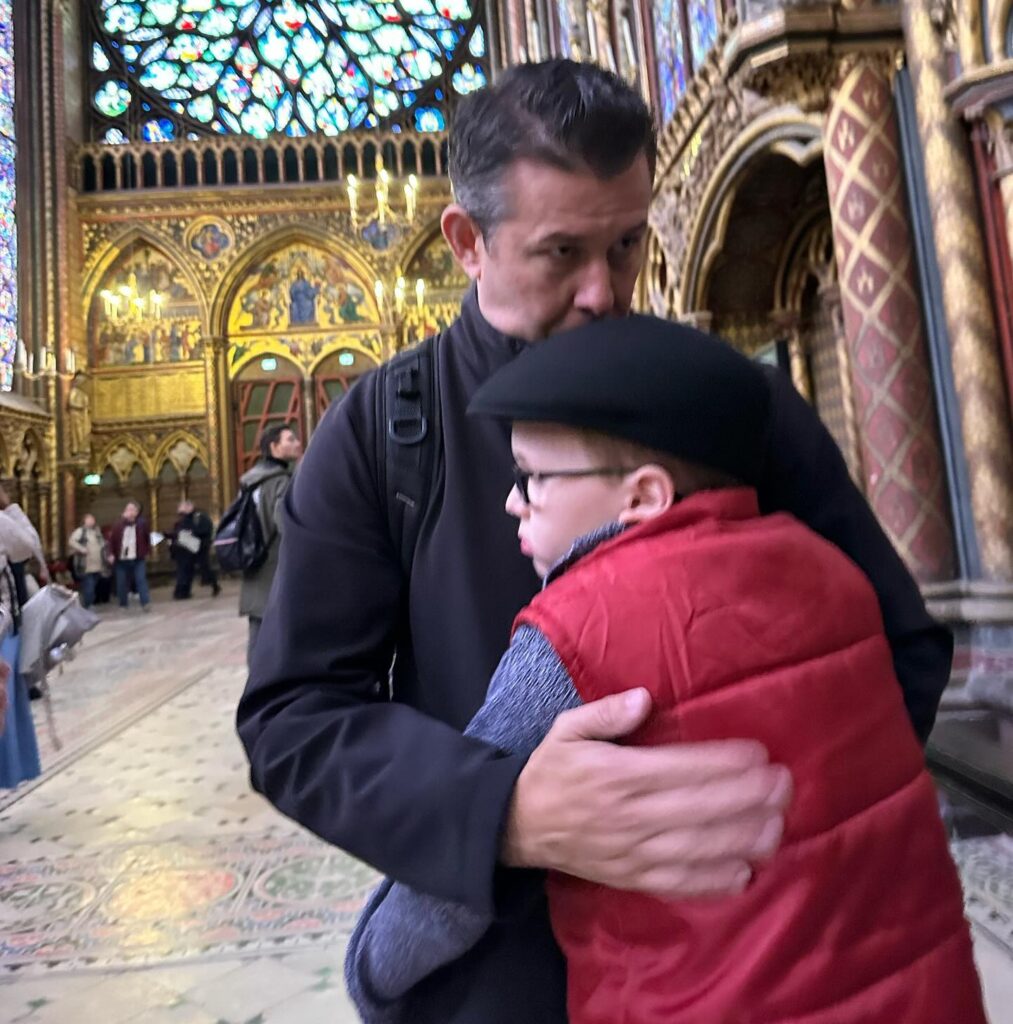
Living with Rare Disease
Families living with medical complexity learn that resilience isn’t built overnight —it’s formed in the small, everyday moments of care. From organizing appointments to managing therapies, each challenge requires patience, creativity, and unwavering love. Caregiving becomes both exhausting and sacred, teaching families to celebrate progress that others might overlook and to find joy even in the middle of uncertainty.
No one is meant to do this alone. Finding community—through support groups, online networks, or other families walking a similar path as you pass each other leaving physical therapy brings strength and understanding that only shared experience can offer. In those connections, caregivers find hope, laughter, and the reminder that while every story is unique, none of us are alone in the journey. Together, families prove that resilience isn’t the absence of struggle —it’s the courage to keep showing up, heart first, every single day.
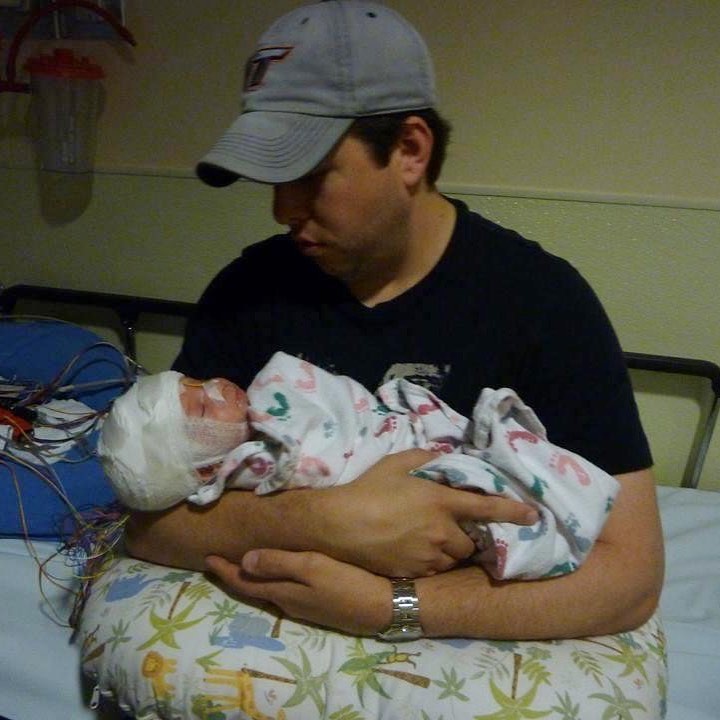
You’re not alone in this journey. Explore our blog for more stories, connect with our community, or reach out—we’re here.