
Select Page
Harper's Fight → Wider Mission
When Harper was just two weeks old,
my aunt was the first to notice her “little jerks”—quick, fleeting movements that came and went in seconds. After she tried to point them out without success, I decided one night to stay up and hold Harper until I saw them for myself. Early the next morning, I finally did. My heart sank. I knew exactly what I was seeing, and I knew in that moment our lives—our perfect, ordinary life—had changed forever. It was a seizure. I didn’t yet know what it meant, but I understood instinctively that this would shape us as individuals, as a family, and as parents.
After nine long months
of tests and searching, we finally received the diagnosis: CDKL5 Deficiency Disorder. The result was devastating—no known cure. Years later, that hasn’t changed. Back then, only about 600 children worldwide were known to have CDKL5; today there are far more. Yet the reality remains the same: the journey through any one of the 7,000 rare diseases is never easy, unless you walk it with others who understand.
Harper’s fight became the start of a mission bigger than our family. Her experiences—the seizures, the endless therapies, and the heartbreak of loss—mirror the struggles faced by so many families living with rare diseases. But through it all, we discovered something stronger than fear: community. Sometimes it appears in waiting rooms, sometimes in a quick word from another parent, and sometimes through a story that makes you feel less alone. For many, that story was Harper’s—a story that began in heartbreak but continues in hope.

Harper's Story
When Harper was two weeks old, my aunt noticed her “little jerks,” quick movements I couldn’t quite catch. One night, I held her all night long until I finally saw what she meant. My heart sank—it was a seizure. I didn’t yet know what it meant, but I knew our lives had just changed forever.
After nine long months, we got the diagnosis: CDKL5 Deficiency Disorder, a rare genetic condition causing severe epilepsy and developmental delays. The first three years were brutal. We told people Harper had seizures but rarely let anyone see the truth—the sleepless nights, the strain on our marriage, the desperate search for answers while trying to give Lily a normal childhood. I thought I could fix Harper, but I eventually realized she didn’t need fixing—I did. Acceptance wasn’t giving up; it was finding balance and learning to live again.
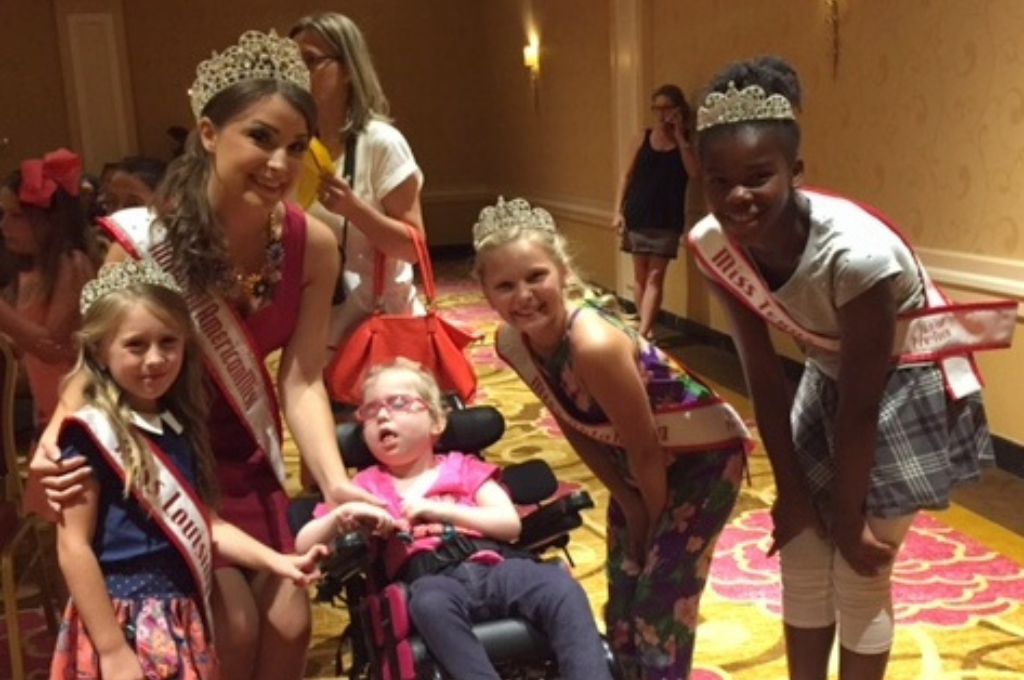
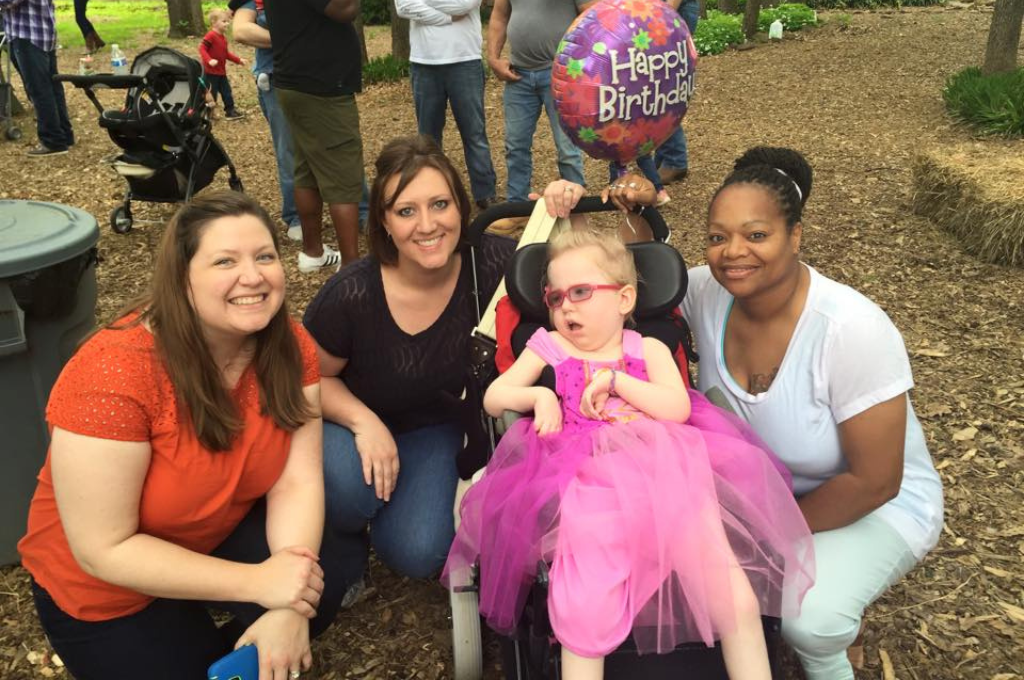
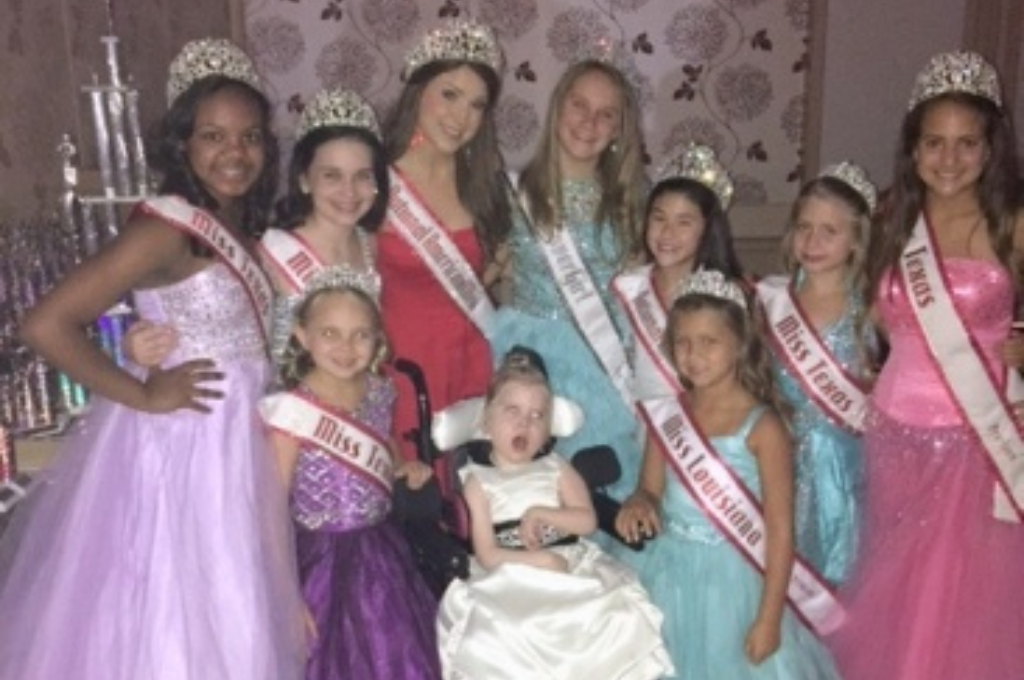
In that search, doors opened. I connected with Dr. Frances Jensen at Boston Children’s Hospital, whose willingness to study CDKL5 helped launch Hope4Harper. Within that same 3 years’ time, we discovered CBD derived from industrial hemp and became the first to safely combine it with anti-epileptic medications. By year three, Harper began to experience seizure control, and for the first time, we could breathe. We stopped chasing “normal” and started chasing joy—skating because wheelchairs roll, skipping therapy for sunshine and splash pads, finding life in the moments that mattered.
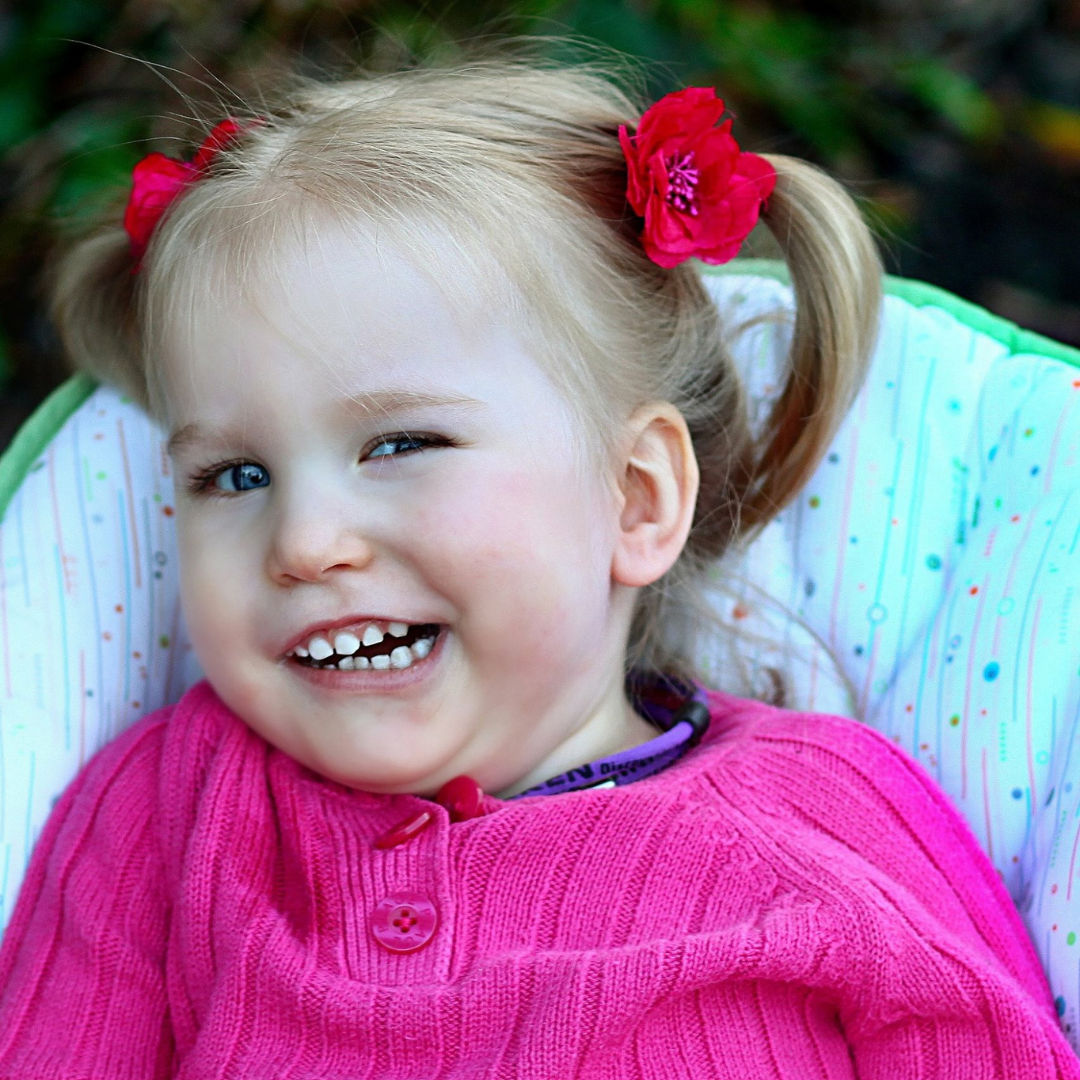
Harper taught us
that healing isn’t about curing—it’s about seeing beauty in what is. She never spoke a word, yet she changed the world through her courage, her peace, and the love she inspired. Her story continues to remind me that even in heartbreak, there can be purpose, and even in loss, there can be light.
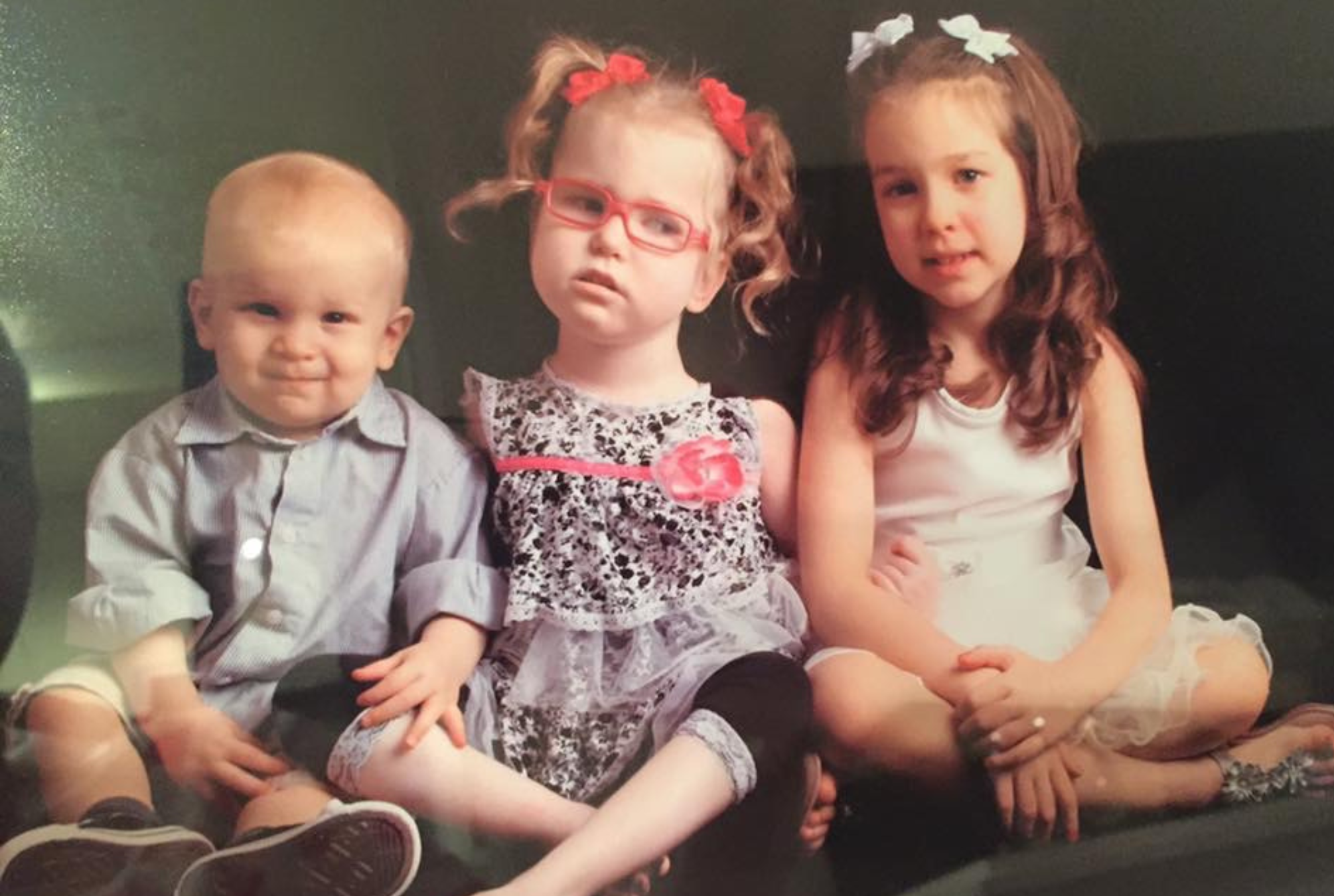
Transition to Mission
Hope4Harper began as a desperate search to save my daughter—but it became something far greater. In sharing our story, I realized that the pain, the questions, and the small daily victories
we lived through were shared by countless others. I started writing so another parent, somewhere in the dark, might feel seen—might know they weren’t the only one holding hope in trembling hands.
Harper’s life lit the way for something enduring. What began with one child’s diagnosis has grown into a mission to stand beside families living with rare disease—to talk about the things no one wants to say out loud, to find light in the hardest places, and to remind each other that even in grief, connection can heal.