
Select Page
Sibling Experience
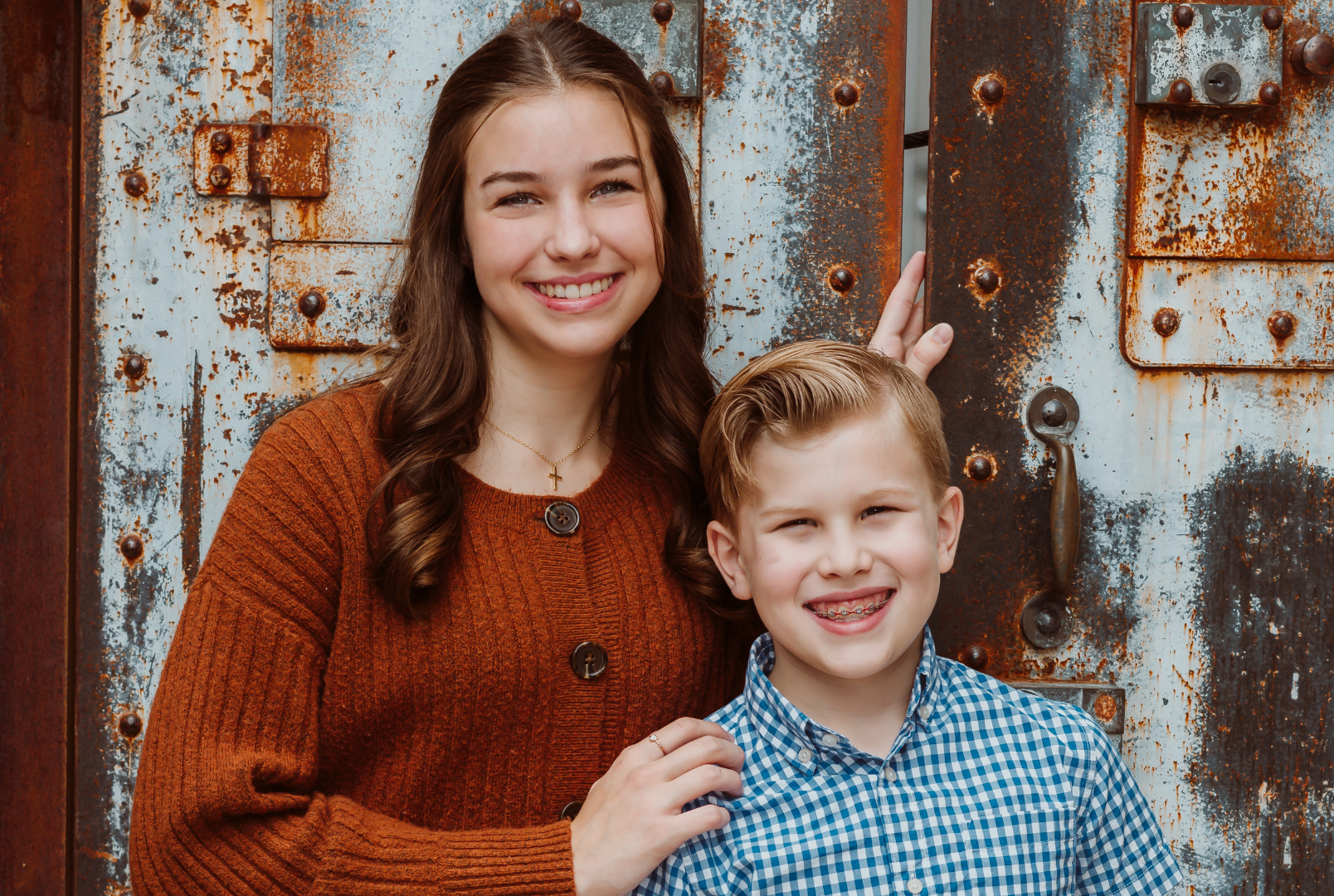
Siblings play a powerful but often overlooked role in medical journeys.
They grow up witnessing both the fragility and strength of life, learning empathy and resilience in ways few can understand. Their voices deserve to be heard—not only because they carry the story too, but because they offer unique insight into love, loss, and the courage that defines a family’s shared journey.
Lily's Story
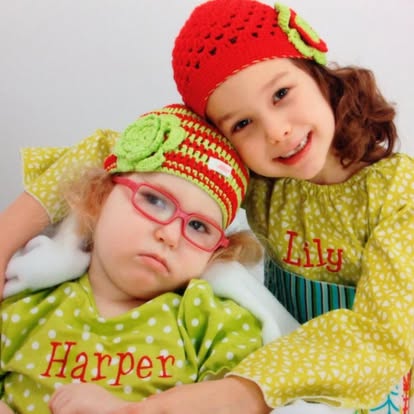
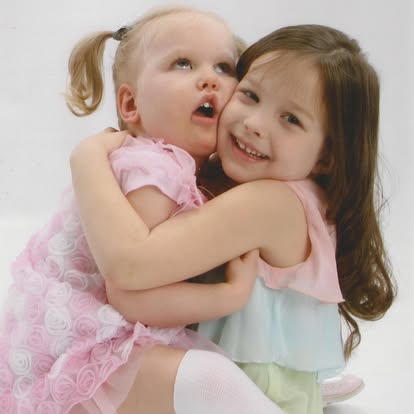
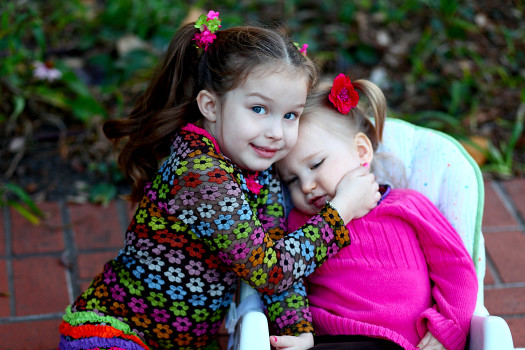
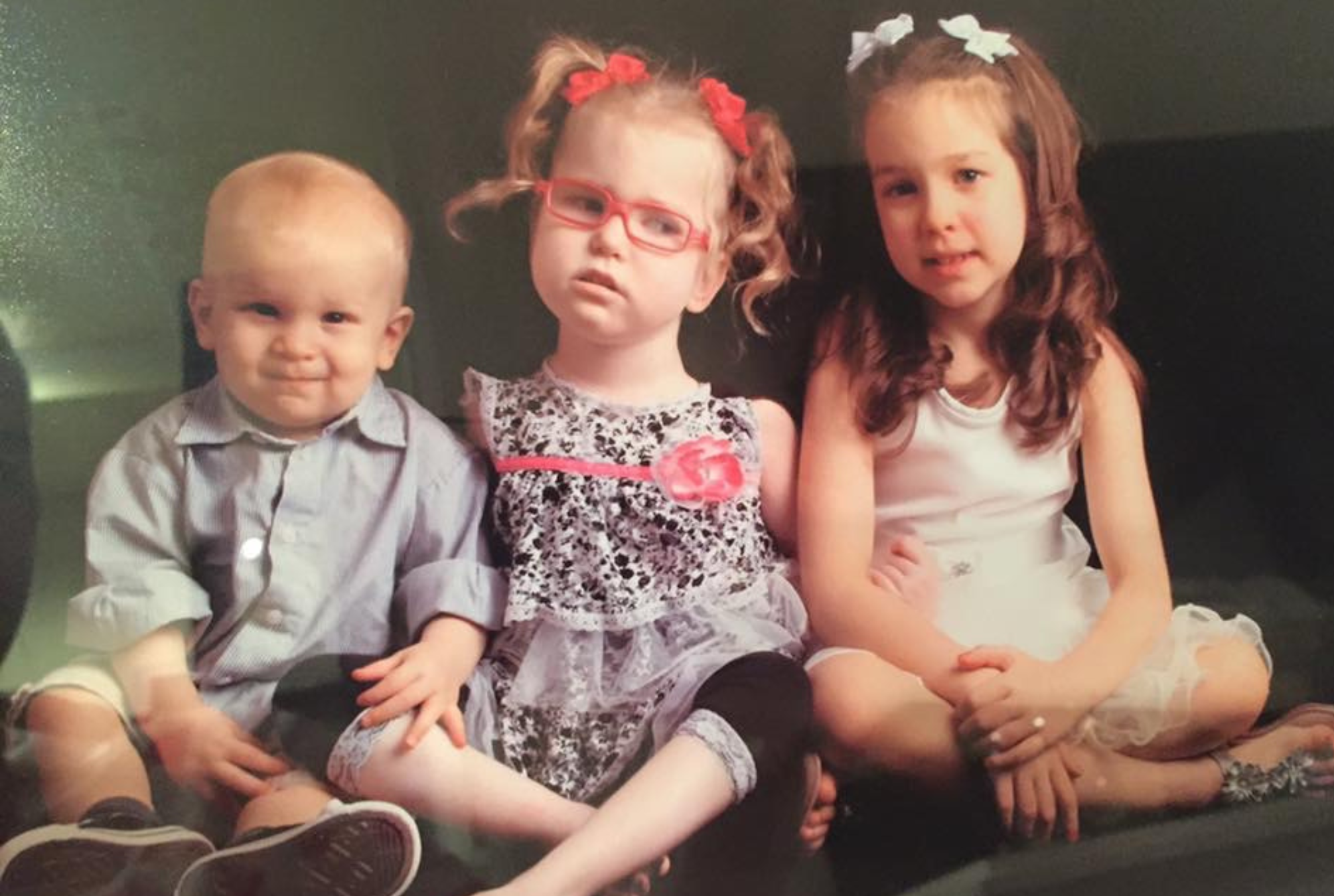
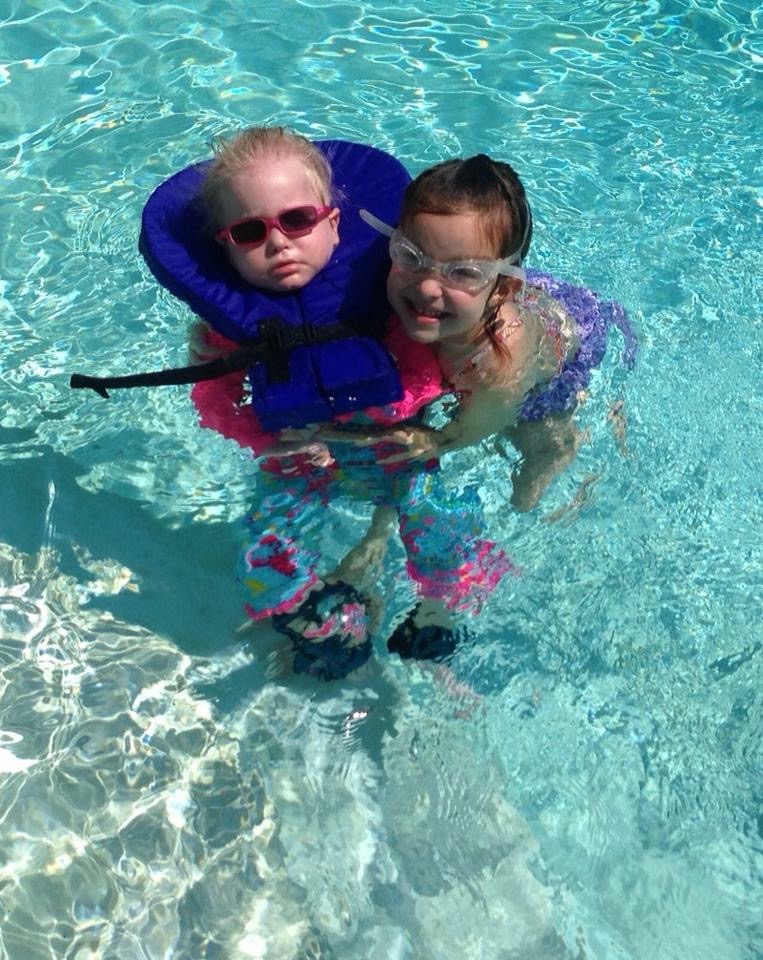
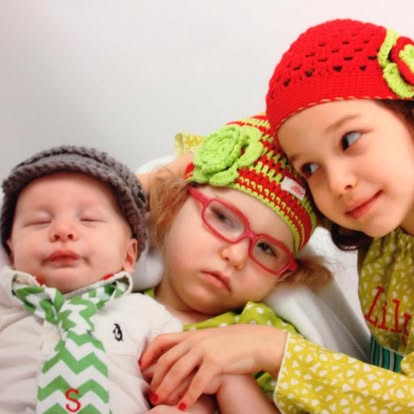
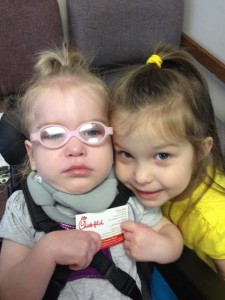
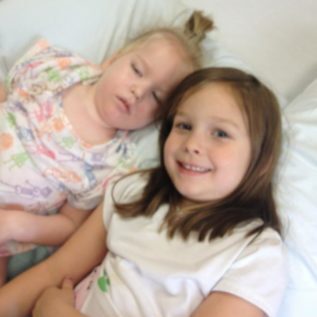
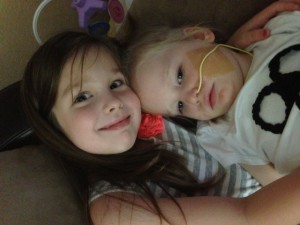
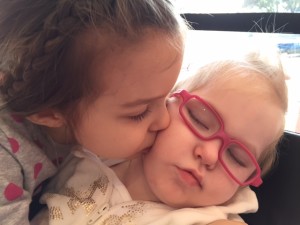
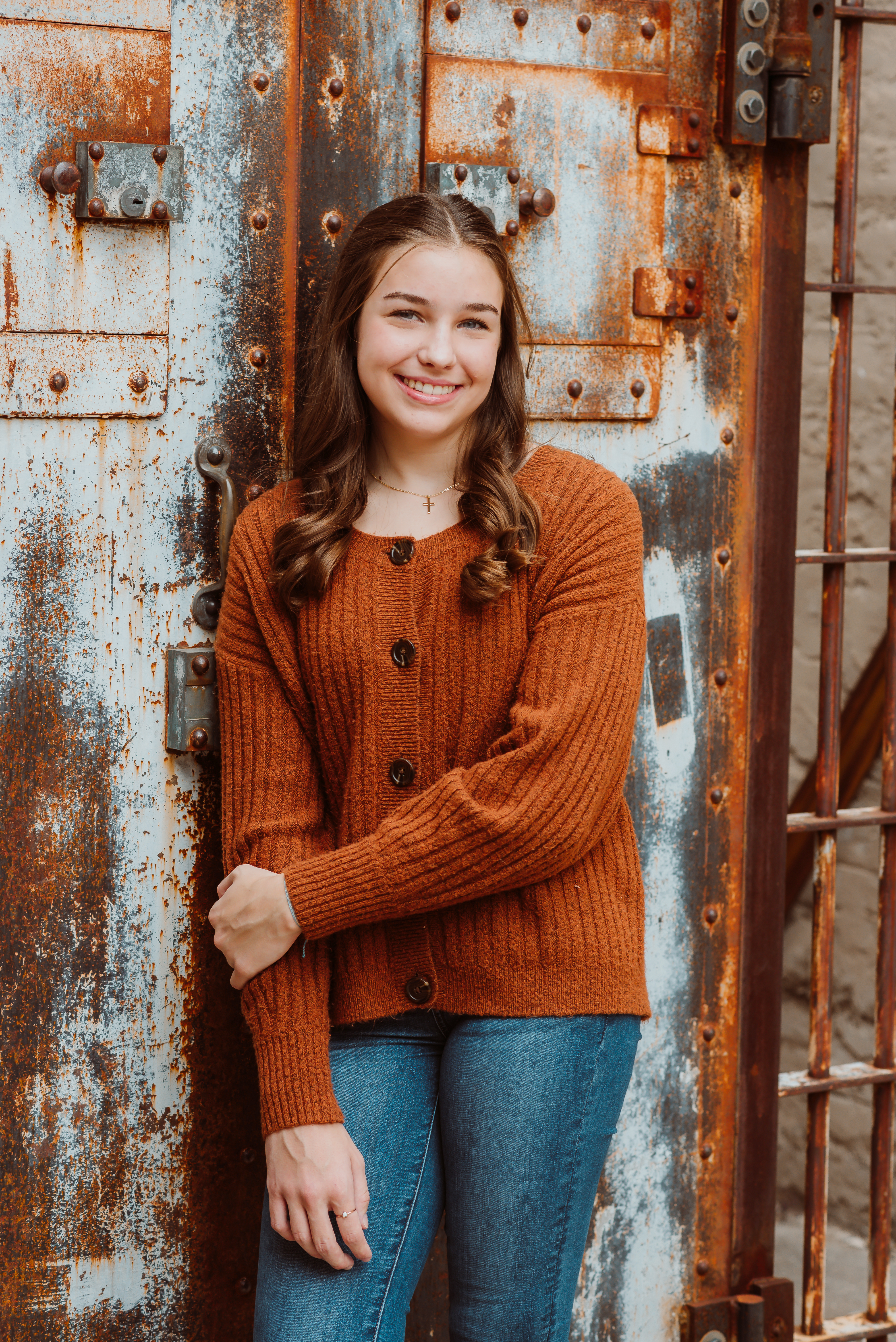
I grew up in a world shaped by my sister Harper’s rare disorder, CDKL5. I watched my parents fight for her every day—through exhaustion, faith, and love that never gave up. In those moments, I learned what love really means. It’s not perfect or easy. It’s showing up, even when it hurts.
When I was eight, I spoke publicly for the first time about what it was like to be Harper’s sister. It was my way of stepping out of the background to share the part of the story that often goes untold—what it feels like to love someone through something you can’t fix.
At sixteen, I turned those experiences into my children’s book, Lily’s Love: A Sibling’s Guide to Seizures.
I wanted other kids like me to know they’re not alone, and to help parents and teachers understand how much siblings see, feel, and carry.
Today, I still advocate for siblings and families like mine—but also for the things that make me me: my faith, my passions, my future. Harper taught me to love deeply, speak up even when it’s hard, and believe that one small voice can make a difference. She proved that limitations only exist if we let them—she couldn’t walk or talk, yet her power to change me was limitless. Harper showed me that life is short and what truly matters is connection. Knowledge means little without people to share it with. People matter. Love matters. That’s the lesson she left me to carry
forward.
Seth's Story
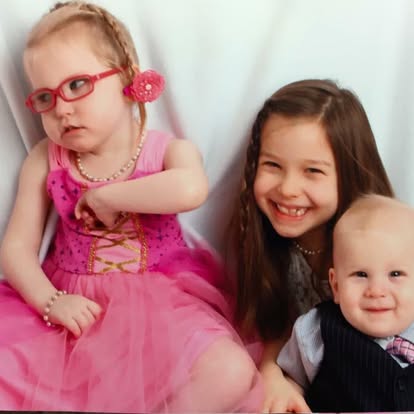
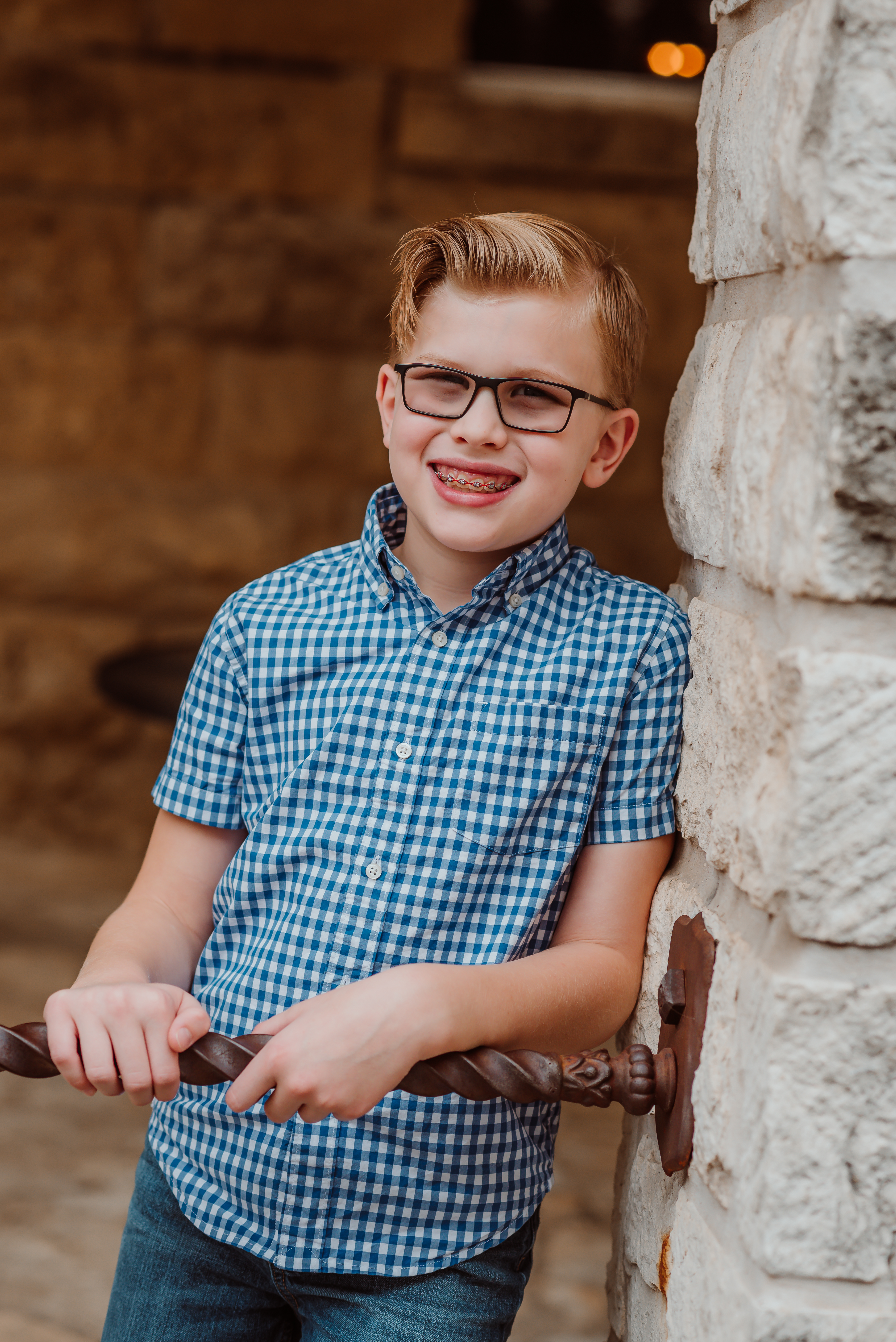
I was only eighteen months old when my sister Harper passed away. I didn’t understand death then—I just knew she was gone. I looked for her everywhere. I watched her videos and waved at the screen, thinking maybe she could see me. I missed her, even though I didn’t have the words to say it.
When Harper was alive, our house was full of sounds—not just laughter or crying, but the hum of machines, the beeping of monitors, and the rhythm of her breathing treatments. Syringes and suction machines were part of my world, and I knew they weren’t toys. I grew up surrounded by love and care—my parents, my nurse, my dog, and my two sisters.
Even though I only had eighteen months with Harper, she changed me forever. As I grew, I looked for her in every wheelchair I saw. I’d smile, reach out, or ask to sit beside them—not because I was sad, but because I felt connected. I never saw people with differences as
“different.” I understood them. I watch for their eyes, I listen for their sounds. I know how to communicate in ways that don’t always need words.
Harper gave me that—a heart that sees people, really sees them. I love building things with my hands, creating, imagining.
But what I build most is connection. I think that’s what Harper left me—the understanding that love never disappears, it just finds new ways to show up.
Siblings carry the story too—
their lives shaped by the same love, fear, and hope that define a family’s medical journey. No matter the diagnosis, they hold a unique part of the legacy, reminding us that healing and resilience belong to the whole family.